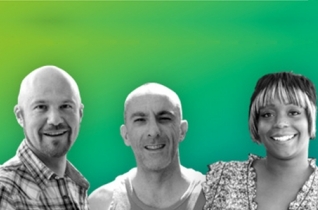
In order to educate the public about the realities of HIV in the UK today and break down stigma, we need to make HIV a visible part of our society – and your stories are a vital and compelling way of doing this.
Share your story
stdClass Object
(
[nid] => 115
[type] => page
[language] =>
[uid] => 1
[status] => 1
[created] => 1315234971
[changed] => 1345215494
[comment] => 0
[promote] => 0
[moderate] => 0
[sticky] => 0
[tnid] => 0
[translate] => 0
[vid] => 205
[revision_uid] => 4
[title] => Share your story
[body] =>
[log] =>
[revision_timestamp] => 1345215494
[format] => 0
[name] => admin
[picture] =>
[data] => a:2:{s:5:"block";a:1:{s:10:"nice_menus";a:1:{i:1;i:0;}}s:13:"form_build_id";s:37:"form-e77ca7a4df0db422a26d808039a36470";}
[path] => share-your-story
[field_intro_text] => Array
(
[0] => Array
(
[value] => Sharing your personal experiences of living with HIV is a powerful way of dispelling myths and challenging prejudice.
[safe] => Sharing your personal experiences of living with HIV is a powerful way of dispelling myths and challenging prejudice.
[view] => Sharing your personal experiences of living with HIV is a powerful way of dispelling myths and challenging prejudice.
)
)
[field_image] => Array
(
[0] => Array
(
[fid] => 66
[list] => 1
[data] => Array
(
[alt] => Two men and a woman head and shoulders on a green background
[title] =>
)
[uid] => 5
[filename] => real_stories_jpeg.jpg
[filepath] => sites/lifewithhiv.org.uk/files/images/real_stories_jpeg.jpg
[filemime] => image/jpeg
[filesize] => 86654
[status] => 1
[timestamp] => 1319028619
[nid] => 115
[view] =>
)
)
[field_landing_page] => Array
(
[0] => Array
(
[nid] => 15
[safe] => Array
(
[nid] => 15
[title] => Get Involved
[status] => 1
)
[view] => Get Involved
)
)
[field_body] => Array
(
[0] => Array
(
[value] => In order to educate the public about the realities of HIV in the UK today and break down stigma, we need to make HIV a visible part of our society – and your stories are a vital and compelling way of doing this.
[format] => 2
[safe] => In order to educate the public about the realities of HIV in the UK today and break down stigma, we need to make HIV a visible part of our society – and your stories are a vital and compelling way of doing this.
[view] => In order to educate the public about the realities of HIV in the UK today and break down stigma, we need to make HIV a visible part of our society – and your stories are a vital and compelling way of doing this.
)
)
[field_accordion_2] => Array
(
[0] => Array
(
[accordion_title] => How do I share my story?
[accordion_body] => If you’d be willing to share your experiences of living with HIV, or being closely affected by HIV, we’d love to hear them. Your stories not only inform NAT’s policy and campaigning work on HIV, they help educate the public and challenge stigma.
To submit your story to this website, click here.
[safe_accordion_title] => How do I share my story?
[safe_accordion_body] => <p>If you’d be willing to share your experiences of living with HIV, or being closely affected by HIV, we’d love to hear them. Your stories not only inform NAT’s policy and campaigning work on HIV, they help educate the public and challenge stigma.</p><p><a href="/submit-your-story">To submit your story to this website, click here</a><a href="/share-your-story-0">.</a></p>
[view] => How do I share my story?
<p>If you’d be willing to share your experiences of living with HIV, or being closely affected by HIV, we’d love to hear them. Your stories not only inform NAT’s policy and campaigning work on HIV, they help educate the public and challenge stigma.</p><p><a href="/submit-your-story">To submit your story to this website, click here</a><a href="/share-your-story-0">.</a></p>
)
[1] => Array
(
[accordion_title] => Why is sharing my story important?
[accordion_body] => Sharing your experiences of living with HIV – both positive and negative – is an important way of communicating the reality of living with HIV in the UK today. From the point of diagnosis through to managing HIV as a long term condition, experiences around telling other people, managing side-effects of treatment, and relationships have a huge impact on your life.
Many people are still unaware of what it means to live with HIV. Some think that HIV is still a death sentence and something to be feared, so hearing a story from someone who’s enjoying a healthy, active life whilst managing their HIV can challenge these perceptions. On the other hand, there are people who think we no longer need to worry about HIV, and it is equally important to get across that HIV is still a complex condition which can impact your day-to-day life and negative reactions from others can have a very damaging impact.
Real life stories from people living with HIV are the most powerful way of challenging misconceptions about HIV, and they play a big part in tackling stigma and prejudice. The less visible HIV is in our society, the less knowledgeable people are about HIV. Your stories are not only a vital educational tool; they demonstrate the reality of HIV.
[safe_accordion_title] => Why is sharing my story important?
[safe_accordion_body] => <p>Sharing your experiences of living with HIV – both positive and negative – is an important way of communicating the reality of living with HIV in the UK today. From the point of diagnosis through to managing HIV as a long term condition, experiences around telling other people, managing side-effects of treatment, and relationships have a huge impact on your life.</p><p>Many people are still unaware of what it means to live with HIV. Some think that HIV is still a death sentence and something to be feared, so hearing a story from someone who’s enjoying a healthy, active life whilst managing their HIV can challenge these perceptions. On the other hand, there are people who think we no longer need to worry about HIV, and it is equally important to get across that HIV is still a complex condition which can impact your day-to-day life and negative reactions from others can have a very damaging impact.</p><p>Real life stories from people living with HIV are the most powerful way of challenging misconceptions about HIV, and they play a big part in tackling stigma and prejudice. The less visible HIV is in our society, the less knowledgeable people are about HIV. Your stories are not only a vital educational tool; they demonstrate the reality of HIV.</p>
[view] => Why is sharing my story important?
<p>Sharing your experiences of living with HIV – both positive and negative – is an important way of communicating the reality of living with HIV in the UK today. From the point of diagnosis through to managing HIV as a long term condition, experiences around telling other people, managing side-effects of treatment, and relationships have a huge impact on your life.</p><p>Many people are still unaware of what it means to live with HIV. Some think that HIV is still a death sentence and something to be feared, so hearing a story from someone who’s enjoying a healthy, active life whilst managing their HIV can challenge these perceptions. On the other hand, there are people who think we no longer need to worry about HIV, and it is equally important to get across that HIV is still a complex condition which can impact your day-to-day life and negative reactions from others can have a very damaging impact.</p><p>Real life stories from people living with HIV are the most powerful way of challenging misconceptions about HIV, and they play a big part in tackling stigma and prejudice. The less visible HIV is in our society, the less knowledgeable people are about HIV. Your stories are not only a vital educational tool; they demonstrate the reality of HIV.</p>
)
[2] => Array
(
[accordion_title] => How will my story be heard?
[accordion_body] => If you submit a real story through this website, it will be published on NAT’s public awareness and education pages HIV Aware. These pages are aimed at educating the public on the facts around HIV and conveying the realities of living with HIV in the UK today, and your stories are at the very heart of this. To read about other people’s experiences, visit HIV Aware real stories section. To submit your story to this website, click here.
[safe_accordion_title] => How will my story be heard?
[safe_accordion_body] => <p>If you submit a real story through this website, it will be published on NAT’s public awareness and education pages <a href="http://www.hivaware.org.uk/">HIV Aware</a>. These pages are aimed at educating the public on the facts around HIV and conveying the realities of living with HIV in the UK today, and your stories are at the very heart of this. To read about other people’s experiences, <a href="http://www.hivaware.org.uk/be-aware/real-stories.php">visit HIV Aware real stories section</a>. <a href="/submit-your-story">To submit your story to this website, click here.</a></p>
[view] => How will my story be heard?
<p>If you submit a real story through this website, it will be published on NAT’s public awareness and education pages <a href="http://www.hivaware.org.uk/">HIV Aware</a>. These pages are aimed at educating the public on the facts around HIV and conveying the realities of living with HIV in the UK today, and your stories are at the very heart of this. To read about other people’s experiences, <a href="http://www.hivaware.org.uk/be-aware/real-stories.php">visit HIV Aware real stories section</a>. <a href="/submit-your-story">To submit your story to this website, click here.</a></p>
)
[3] => Array
(
[accordion_title] => What about telling my story in the media?
[accordion_body] => Another important way of communicating the realities of HIV in the UK today is through real life stories in the press, otherwise known as being a ‘case study’. Being a case study involves talking about your experiences and sometimes being photographed and then featuring in a newspaper, magazine, or news website.
This can sound daunting but really doesn’t have to be. If you are interesting in being a case study or simply finding out more, get in touch at press@nat.org.uk or leave us feedback.
[safe_accordion_title] => What about telling my story in the media?
[safe_accordion_body] => <p>Another important way of communicating the realities of HIV in the UK today is through real life stories in the press, otherwise known as being a ‘case study’. Being a case study involves talking about your experiences and sometimes being photographed and then featuring in a newspaper, magazine, or news website. </p><p>This can sound daunting but really doesn’t have to be. If you are interesting in being a case study or simply finding out more, get in touch at <a href="mailto:press@nat.org.uk">press@nat.org.uk</a> or <a href="/tell-us-what-you-think">leave us feedback</a>.</p>
[view] => What about telling my story in the media?
<p>Another important way of communicating the realities of HIV in the UK today is through real life stories in the press, otherwise known as being a ‘case study’. Being a case study involves talking about your experiences and sometimes being photographed and then featuring in a newspaper, magazine, or news website. </p><p>This can sound daunting but really doesn’t have to be. If you are interesting in being a case study or simply finding out more, get in touch at <a href="mailto:press@nat.org.uk">press@nat.org.uk</a> or <a href="/tell-us-what-you-think">leave us feedback</a>.</p>
)
[4] => Array
(
[accordion_title] => Why do the media need real stories of people living with HIV?
[accordion_body] => The media play a huge role in influencing opinions and raising awareness, and are relied on by much of the public to provide facts and reliable information. Sadly, this is not always the case and HIV is frequently misreported by in the press and stigmatising and prejudicial views are perpetuated. (See our section on Press Gang for further information).
One of the best ways we can challenge people’s perceptions of HIV and educate the public – as well as the media! – is through real stories. Having your story told in the media by acting as a ‘case study’ involves talking about your experiences and sometimes being photographed and then featuring in a newspaper, magazine, or news site. Case studies are an opportunity to portray the person behind the HIV, and give an insight into the reality of living with HIV – both of which help tackle misconceptions and stigma.
If you agree to be a case study, every care is taken to report your experiences sensitively and factually and you don’t have to say anything that you’re not comfortable with. Names and locations can usually be changed as well for reasons of confidentiality. If you are interesting in being a case study or simply finding out more, get in touch at press@nat.org.uk or leave us feedback.
[safe_accordion_title] => Why do the media need real stories of people living with HIV?
[safe_accordion_body] => <p>The media play a huge role in influencing opinions and raising awareness, and are relied on by much of the public to provide facts and reliable information. Sadly, this is not always the case and HIV is frequently misreported by in the press and stigmatising and prejudicial views are perpetuated. (See our section on <a href="/press-gang">Press Gang</a> for further information).</p><p>One of the best ways we can challenge people’s perceptions of HIV and educate the public – as well as the media! – is through real stories. Having your story told in the media by acting as a ‘case study’ involves talking about your experiences and sometimes being photographed and then featuring in a newspaper, magazine, or news site. Case studies are an opportunity to portray the person behind the HIV, and give an insight into the reality of living with HIV – both of which help tackle misconceptions and stigma.</p><p>If you agree to be a case study, every care is taken to report your experiences sensitively and factually and you don’t have to say anything that you’re not comfortable with. Names and locations can usually be changed as well for reasons of confidentiality. If you are interesting in being a case study or simply finding out more, get in touch at <a href="mailto:press@nat.org.uk">press@nat.org.uk</a> or <a href="/tell-us-what-you-think">leave us feedback</a>.</p>
[view] => Why do the media need real stories of people living with HIV?
<p>The media play a huge role in influencing opinions and raising awareness, and are relied on by much of the public to provide facts and reliable information. Sadly, this is not always the case and HIV is frequently misreported by in the press and stigmatising and prejudicial views are perpetuated. (See our section on <a href="/press-gang">Press Gang</a> for further information).</p><p>One of the best ways we can challenge people’s perceptions of HIV and educate the public – as well as the media! – is through real stories. Having your story told in the media by acting as a ‘case study’ involves talking about your experiences and sometimes being photographed and then featuring in a newspaper, magazine, or news site. Case studies are an opportunity to portray the person behind the HIV, and give an insight into the reality of living with HIV – both of which help tackle misconceptions and stigma.</p><p>If you agree to be a case study, every care is taken to report your experiences sensitively and factually and you don’t have to say anything that you’re not comfortable with. Names and locations can usually be changed as well for reasons of confidentiality. If you are interesting in being a case study or simply finding out more, get in touch at <a href="mailto:press@nat.org.uk">press@nat.org.uk</a> or <a href="/tell-us-what-you-think">leave us feedback</a>.</p>
)
[5] => Array
(
[accordion_title] => Why should I consider telling my story in the media?
[accordion_body] => Talking about your personal experiences in the public eye can be difficult - but it is also a brave and positive move. Feedback we have received from people living with HIV is that they would like more people who are confident to do so to share their own experiences of living with HIV.
Telling your own story in the media is extremely powerful and a vital tool in tackling stigma and discrimination. If you feel comfortable discussing your experiences of living with HIV, you are helping to make an influential step forward in today's media which can ultimately make the difference between whether HIV is kept on the public radar or ignored. By having visibility in the media, we are working towards greater public understanding of HIV, which will lead to a more supportive society for people living with HIV.
If you are interesting in being a case study or simply finding out more, get in touch at press@nat.org.uk or leave us feedback.
[safe_accordion_title] => Why should I consider telling my story in the media?
[safe_accordion_body] => <p>Talking about your personal experiences in the public eye can be difficult - but it is also a brave and positive move. Feedback we have received from people living with HIV is that they would like more people who are confident to do so to share their own experiences of living with HIV. </p><p>Telling your own story in the media is extremely powerful and a vital tool in tackling stigma and discrimination. If you feel comfortable discussing your experiences of living with HIV, you are helping to make an influential step forward in today's media which can ultimately make the difference between whether HIV is kept on the public radar or ignored. By having visibility in the media, we are working towards greater public understanding of HIV, which will lead to a more supportive society for people living with HIV. </p><p>If you are interesting in being a case study or simply finding out more, get in touch at <a href="mailto:press@nat.org.uk">press@nat.org.uk</a> or <a href="/tell-us-what-you-think">leave us feedback</a>.</p>
[view] => Why should I consider telling my story in the media?
<p>Talking about your personal experiences in the public eye can be difficult - but it is also a brave and positive move. Feedback we have received from people living with HIV is that they would like more people who are confident to do so to share their own experiences of living with HIV. </p><p>Telling your own story in the media is extremely powerful and a vital tool in tackling stigma and discrimination. If you feel comfortable discussing your experiences of living with HIV, you are helping to make an influential step forward in today's media which can ultimately make the difference between whether HIV is kept on the public radar or ignored. By having visibility in the media, we are working towards greater public understanding of HIV, which will lead to a more supportive society for people living with HIV. </p><p>If you are interesting in being a case study or simply finding out more, get in touch at <a href="mailto:press@nat.org.uk">press@nat.org.uk</a> or <a href="/tell-us-what-you-think">leave us feedback</a>.</p>
)
[6] => Array
(
[accordion_title] => What about confidentiality and accuracy if I choose to tell my story?
[accordion_body] => If you submit your story through this website for publishing, your story may be shortened to fit a word limit or grammatically edited but we will endeavour to keep it in its original form. You do not have to use your real name if you do not wish. To submit your story to this website, click here.
If you agree to tell your story in the media, you do not have to talk about experiences which you'd prefer not to disclose - you only have to give as much information as you feel comfortable with. If there are specific areas which you definitely do not want to discuss, the journalist can be briefed in advance on this. After the journalist has written their piece, it is common practise that they will then go through a 'read back' with you, and read what they have written before it goes to print so you can check you're happy with the text. If you are interesting in being a case study or simply finding out more, get in touch at press@nat.org.uk or leave us feedback.
[safe_accordion_title] => What about confidentiality and accuracy if I choose to tell my story?
[safe_accordion_body] => <p>If you submit your story through this website for publishing, your story may be shortened to fit a word limit or grammatically edited but we will endeavour to keep it in its original form. You do not have to use your real name if you do not wish. To submit your story to this website, click here.</p><p>If you agree to tell your story in the media, you do not have to talk about experiences which you'd prefer not to disclose - you only have to give as much information as you feel comfortable with. If there are specific areas which you definitely do not want to discuss, the journalist can be briefed in advance on this. After the journalist has written their piece, it is common practise that they will then go through a 'read back' with you, and read what they have written before it goes to print so you can check you're happy with the text. If you are interesting in being a case study or simply finding out more, get in touch at <a href="mailto:press@nat.org.uk">press@nat.org.uk</a> or <a href="/tell-us-what-you-think">leave us feedback</a>.</p>
[view] => What about confidentiality and accuracy if I choose to tell my story?
<p>If you submit your story through this website for publishing, your story may be shortened to fit a word limit or grammatically edited but we will endeavour to keep it in its original form. You do not have to use your real name if you do not wish. To submit your story to this website, click here.</p><p>If you agree to tell your story in the media, you do not have to talk about experiences which you'd prefer not to disclose - you only have to give as much information as you feel comfortable with. If there are specific areas which you definitely do not want to discuss, the journalist can be briefed in advance on this. After the journalist has written their piece, it is common practise that they will then go through a 'read back' with you, and read what they have written before it goes to print so you can check you're happy with the text. If you are interesting in being a case study or simply finding out more, get in touch at <a href="mailto:press@nat.org.uk">press@nat.org.uk</a> or <a href="/tell-us-what-you-think">leave us feedback</a>.</p>
)
)
[field_section] => Array
(
[0] => Array
(
[items] => Array
(
[0] => Array
(
[nid] => 15
[vid] => 105
[title] => Get Involved
)
)
[limit] => 0
[element] => 0
[pager] =>
[view] =>
)
)
[webform] => Array
(
[addblock] =>
)
[last_comment_timestamp] => 1315234971
[last_comment_name] =>
[comment_count] => 0
[taxonomy] => Array
(
[33] => stdClass Object
(
[tid] => 33
[vid] => 1
[name] => Share your story
[description] =>
[weight] => 2
)
)
[nodewords] => Array
(
[abstract] => Array
(
[value] =>
)
[canonical] => Array
(
[value] =>
)
[copyright] => Array
(
[value] =>
)
[description] => Array
(
[value] =>
)
[keywords] => Array
(
[value] =>
)
[revisit-after] => Array
(
[value] => 1
)
[robots] => Array
(
[value] => Array
(
[noarchive] => 0
[nofollow] => 0
[noindex] => 0
[noodp] => 0
[nosnippet] => 0
[noydir] => 0
)
[use_default] => 0
)
)
[build_mode] => 0
[readmore] =>
[content] => Array
(
[field_intro_text] => Array
(
[#type_name] => page
[#context] => full
[#field_name] => field_intro_text
[#post_render] => Array
(
[0] => content_field_wrapper_post_render
)
[#weight] => -4
[field] => Array
(
[#description] =>
[items] => Array
(
[0] => Array
(
[#formatter] => default
[#node] => stdClass Object
*RECURSION*
[#type_name] => page
[#field_name] => field_intro_text
[#weight] => 0
[#theme] => text_formatter_default
[#item] => Array
(
[value] => Sharing your personal experiences of living with HIV is a powerful way of dispelling myths and challenging prejudice.
[safe] => Sharing your personal experiences of living with HIV is a powerful way of dispelling myths and challenging prejudice.
[#delta] => 0
)
[#title] =>
[#description] =>
[#theme_used] => 1
[#printed] => 1
[#type] =>
[#value] =>
[#prefix] =>
[#suffix] =>
[#children] => Sharing your personal experiences of living with HIV is a powerful way of dispelling myths and challenging prejudice.
)
[#title] =>
[#description] =>
[#children] => Sharing your personal experiences of living with HIV is a powerful way of dispelling myths and challenging prejudice.
[#printed] => 1
)
[#single] => 1
[#attributes] => Array
(
)
[#required] =>
[#parents] => Array
(
)
[#tree] =>
[#context] => full
[#page] => 1
[#field_name] => field_intro_text
[#title] => Intro text
[#access] => 1
[#label_display] => hidden
[#teaser] =>
[#node] => stdClass Object
*RECURSION*
[#type] => content_field
[#children] => Sharing your personal experiences of living with HIV is a powerful way of dispelling myths and challenging prejudice.
[#printed] => 1
)
[#title] =>
[#description] =>
[#children] =>
Sharing your personal experiences of living with HIV is a powerful way of dispelling myths and challenging prejudice.
[#printed] => 1
)
[field_image] => Array
(
[#type_name] => page
[#context] => full
[#field_name] => field_image
[#post_render] => Array
(
[0] => content_field_wrapper_post_render
)
[#weight] => -2
[field] => Array
(
[#description] =>
[items] => Array
(
[0] => Array
(
[#formatter] => default
[#node] => stdClass Object
*RECURSION*
[#type_name] => page
[#field_name] => field_image
[#weight] => 0
[#theme] => filefield_formatter_default
[#item] => Array
(
[fid] => 66
[list] => 1
[data] => Array
(
[alt] => Two men and a woman head and shoulders on a green background
[title] =>
)
[uid] => 5
[filename] => real_stories_jpeg.jpg
[filepath] => sites/lifewithhiv.org.uk/files/images/real_stories_jpeg.jpg
[filemime] => image/jpeg
[filesize] => 86654
[status] => 1
[timestamp] => 1319028619
[nid] => 115
[#delta] => 0
)
[#title] =>
[#description] =>
[#theme_used] => 1
[#printed] => 1
[#type] =>
[#value] =>
[#prefix] =>
[#suffix] =>
[#children] =>
)
[#title] =>
[#description] =>
[#children] =>
[#printed] => 1
)
[#single] => 1
[#attributes] => Array
(
)
[#required] =>
[#parents] => Array
(
)
[#tree] =>
[#context] => full
[#page] => 1
[#field_name] => field_image
[#title] => Main Image
[#access] => 1
[#label_display] => hidden
[#teaser] =>
[#node] => stdClass Object
*RECURSION*
[#type] => content_field
[#children] =>
[#printed] => 1
)
[#title] =>
[#description] =>
[#children] =>
[#printed] => 1
)
[field_landing_page] => Array
(
[#type_name] => page
[#context] => full
[#field_name] => field_landing_page
[#post_render] => Array
(
[0] => content_field_wrapper_post_render
)
[#weight] => -1
[field] => Array
(
[#description] =>
[items] => Array
(
[0] => Array
(
[#formatter] => default
[#node] => stdClass Object
*RECURSION*
[#type_name] => page
[#field_name] => field_landing_page
[#weight] => 0
[#theme] => nodereference_formatter_default
[#item] => Array
(
[nid] => 15
[safe] => Array
(
[nid] => 15
[title] => Get Involved
[status] => 1
)
[#delta] => 0
)
[#title] =>
[#description] =>
[#theme_used] => 1
[#printed] => 1
[#type] =>
[#value] =>
[#prefix] =>
[#suffix] =>
[#children] => Get Involved
)
[#title] =>
[#description] =>
[#children] => Get Involved
[#printed] => 1
)
[#single] => 1
[#attributes] => Array
(
)
[#required] =>
[#parents] => Array
(
)
[#tree] =>
[#context] => full
[#page] => 1
[#field_name] => field_landing_page
[#title] => Landing Page
[#access] => 1
[#label_display] => above
[#teaser] =>
[#node] => stdClass Object
*RECURSION*
[#type] => content_field
[#children] => Get Involved
[#printed] => 1
)
[#title] =>
[#description] =>
[#children] =>
Landing Page:
[#printed] => 1
)
[#content_extra_fields] => Array
(
[title] => Array
(
[label] => Title
[description] => Node module form.
[weight] => -5
)
[revision_information] => Array
(
[label] => Revision information
[description] => Node module form.
[weight] => 5
)
[author] => Array
(
[label] => Authoring information
[description] => Node module form.
[weight] => 8
)
[options] => Array
(
[label] => Publishing options
[description] => Node module form.
[weight] => 9
)
[comment_settings] => Array
(
[label] => Comment settings
[description] => Comment module form.
[weight] => 7
)
[menu] => Array
(
[label] => Menu settings
[description] => Menu module form.
[weight] => 4
)
[taxonomy] => Array
(
[label] => Taxonomy
[description] => Taxonomy module form.
[weight] => -3
)
[path] => Array
(
[label] => Path settings
[description] => Path module form.
[weight] => 6
)
[nodewords] => Array
(
[label] => Meta tags
[description] => Meta tags fieldset.
[weight] => 10
)
)
[#pre_render] => Array
(
[0] => content_alter_extra_weights
)
[field_body] => Array
(
[#type_name] => page
[#context] => full
[#field_name] => field_body
[#post_render] => Array
(
[0] => content_field_wrapper_post_render
)
[#weight] => 0
[field] => Array
(
[#description] =>
[items] => Array
(
[0] => Array
(
[#formatter] => default
[#node] => stdClass Object
*RECURSION*
[#type_name] => page
[#field_name] => field_body
[#weight] => 0
[#theme] => text_formatter_default
[#item] => Array
(
[value] => In order to educate the public about the realities of HIV in the UK today and break down stigma, we need to make HIV a visible part of our society – and your stories are a vital and compelling way of doing this.
[format] => 2
[safe] => In order to educate the public about the realities of HIV in the UK today and break down stigma, we need to make HIV a visible part of our society – and your stories are a vital and compelling way of doing this.
[#delta] => 0
)
[#title] =>
[#description] =>
[#theme_used] => 1
[#printed] => 1
[#type] =>
[#value] =>
[#prefix] =>
[#suffix] =>
[#children] => In order to educate the public about the realities of HIV in the UK today and break down stigma, we need to make HIV a visible part of our society – and your stories are a vital and compelling way of doing this.
)
[#title] =>
[#description] =>
[#children] => In order to educate the public about the realities of HIV in the UK today and break down stigma, we need to make HIV a visible part of our society – and your stories are a vital and compelling way of doing this.
[#printed] => 1
)
[#single] => 1
[#attributes] => Array
(
)
[#required] =>
[#parents] => Array
(
)
[#tree] =>
[#context] => full
[#page] => 1
[#field_name] => field_body
[#title] => Body
[#access] => 1
[#label_display] => hidden
[#teaser] =>
[#node] => stdClass Object
*RECURSION*
[#type] => content_field
[#children] => In order to educate the public about the realities of HIV in the UK today and break down stigma, we need to make HIV a visible part of our society – and your stories are a vital and compelling way of doing this.
[#printed] => 1
)
[#title] =>
[#description] =>
[#children] =>
In order to educate the public about the realities of HIV in the UK today and break down stigma, we need to make HIV a visible part of our society – and your stories are a vital and compelling way of doing this.
[#printed] => 1
)
[body] => Array
(
[#weight] => 0
[#value] =>
[#title] =>
[#description] =>
[#printed] => 1
)
[group_accordion] => Array
(
[#type_name] => page
[#context] => full
[#group_name] => group_accordion
[#post_render] => Array
(
[0] => fieldgroup_wrapper_post_render
)
[#weight] => 1
[group] => Array
(
[#parents] => Array
(
)
[#collapsible] =>
[#collapsed] =>
[#value] =>
[#tree] =>
[#required] =>
[#description] =>
[#type] => fieldgroup_fieldset
[#attributes] => Array
(
[class] => fieldgroup group-accordion
)
[#title] => Accordion
[field_accordion_2] => Array
(
[#type_name] => page
[#context] => full
[#field_name] => field_accordion_2
[#post_render] => Array
(
[0] => content_field_wrapper_post_render
)
[#weight] => 2
[field] => Array
(
[#description] =>
[items] => Array
(
[0] => Array
(
[#formatter] => default
[#node] => stdClass Object
*RECURSION*
[#type_name] => page
[#field_name] => field_accordion_2
[#weight] => 0
[#theme] => accordion_cck_field_formatter_default
[#item] => Array
(
[accordion_title] => How do I share my story?
[accordion_body] => If you’d be willing to share your experiences of living with HIV, or being closely affected by HIV, we’d love to hear them. Your stories not only inform NAT’s policy and campaigning work on HIV, they help educate the public and challenge stigma.
To submit your story to this website, click here.
[safe_accordion_title] => How do I share my story?
[safe_accordion_body] => <p>If you’d be willing to share your experiences of living with HIV, or being closely affected by HIV, we’d love to hear them. Your stories not only inform NAT’s policy and campaigning work on HIV, they help educate the public and challenge stigma.</p><p><a href="/submit-your-story">To submit your story to this website, click here</a><a href="/share-your-story-0">.</a></p>
[#delta] => 0
)
[#title] =>
[#description] =>
[#theme_used] => 1
[#printed] => 1
[#type] =>
[#value] =>
[#prefix] =>
[#suffix] =>
[#children] => How do I share my story?
<p>If you’d be willing to share your experiences of living with HIV, or being closely affected by HIV, we’d love to hear them. Your stories not only inform NAT’s policy and campaigning work on HIV, they help educate the public and challenge stigma.</p><p><a href="/submit-your-story">To submit your story to this website, click here</a><a href="/share-your-story-0">.</a></p>
)
[1] => Array
(
[#formatter] => default
[#node] => stdClass Object
*RECURSION*
[#type_name] => page
[#field_name] => field_accordion_2
[#weight] => 1
[#theme] => accordion_cck_field_formatter_default
[#item] => Array
(
[accordion_title] => Why is sharing my story important?
[accordion_body] => Sharing your experiences of living with HIV – both positive and negative – is an important way of communicating the reality of living with HIV in the UK today. From the point of diagnosis through to managing HIV as a long term condition, experiences around telling other people, managing side-effects of treatment, and relationships have a huge impact on your life.
Many people are still unaware of what it means to live with HIV. Some think that HIV is still a death sentence and something to be feared, so hearing a story from someone who’s enjoying a healthy, active life whilst managing their HIV can challenge these perceptions. On the other hand, there are people who think we no longer need to worry about HIV, and it is equally important to get across that HIV is still a complex condition which can impact your day-to-day life and negative reactions from others can have a very damaging impact.
Real life stories from people living with HIV are the most powerful way of challenging misconceptions about HIV, and they play a big part in tackling stigma and prejudice. The less visible HIV is in our society, the less knowledgeable people are about HIV. Your stories are not only a vital educational tool; they demonstrate the reality of HIV.
[safe_accordion_title] => Why is sharing my story important?
[safe_accordion_body] => <p>Sharing your experiences of living with HIV – both positive and negative – is an important way of communicating the reality of living with HIV in the UK today. From the point of diagnosis through to managing HIV as a long term condition, experiences around telling other people, managing side-effects of treatment, and relationships have a huge impact on your life.</p><p>Many people are still unaware of what it means to live with HIV. Some think that HIV is still a death sentence and something to be feared, so hearing a story from someone who’s enjoying a healthy, active life whilst managing their HIV can challenge these perceptions. On the other hand, there are people who think we no longer need to worry about HIV, and it is equally important to get across that HIV is still a complex condition which can impact your day-to-day life and negative reactions from others can have a very damaging impact.</p><p>Real life stories from people living with HIV are the most powerful way of challenging misconceptions about HIV, and they play a big part in tackling stigma and prejudice. The less visible HIV is in our society, the less knowledgeable people are about HIV. Your stories are not only a vital educational tool; they demonstrate the reality of HIV.</p>
[#delta] => 1
)
[#title] =>
[#description] =>
[#theme_used] => 1
[#printed] => 1
[#type] =>
[#value] =>
[#prefix] =>
[#suffix] =>
[#children] => Why is sharing my story important?
<p>Sharing your experiences of living with HIV – both positive and negative – is an important way of communicating the reality of living with HIV in the UK today. From the point of diagnosis through to managing HIV as a long term condition, experiences around telling other people, managing side-effects of treatment, and relationships have a huge impact on your life.</p><p>Many people are still unaware of what it means to live with HIV. Some think that HIV is still a death sentence and something to be feared, so hearing a story from someone who’s enjoying a healthy, active life whilst managing their HIV can challenge these perceptions. On the other hand, there are people who think we no longer need to worry about HIV, and it is equally important to get across that HIV is still a complex condition which can impact your day-to-day life and negative reactions from others can have a very damaging impact.</p><p>Real life stories from people living with HIV are the most powerful way of challenging misconceptions about HIV, and they play a big part in tackling stigma and prejudice. The less visible HIV is in our society, the less knowledgeable people are about HIV. Your stories are not only a vital educational tool; they demonstrate the reality of HIV.</p>
)
[2] => Array
(
[#formatter] => default
[#node] => stdClass Object
*RECURSION*
[#type_name] => page
[#field_name] => field_accordion_2
[#weight] => 2
[#theme] => accordion_cck_field_formatter_default
[#item] => Array
(
[accordion_title] => How will my story be heard?
[accordion_body] => If you submit a real story through this website, it will be published on NAT’s public awareness and education pages HIV Aware. These pages are aimed at educating the public on the facts around HIV and conveying the realities of living with HIV in the UK today, and your stories are at the very heart of this. To read about other people’s experiences, visit HIV Aware real stories section. To submit your story to this website, click here.
[safe_accordion_title] => How will my story be heard?
[safe_accordion_body] => <p>If you submit a real story through this website, it will be published on NAT’s public awareness and education pages <a href="http://www.hivaware.org.uk/">HIV Aware</a>. These pages are aimed at educating the public on the facts around HIV and conveying the realities of living with HIV in the UK today, and your stories are at the very heart of this. To read about other people’s experiences, <a href="http://www.hivaware.org.uk/be-aware/real-stories.php">visit HIV Aware real stories section</a>. <a href="/submit-your-story">To submit your story to this website, click here.</a></p>
[#delta] => 2
)
[#title] =>
[#description] =>
[#theme_used] => 1
[#printed] => 1
[#type] =>
[#value] =>
[#prefix] =>
[#suffix] =>
[#children] => How will my story be heard?
<p>If you submit a real story through this website, it will be published on NAT’s public awareness and education pages <a href="http://www.hivaware.org.uk/">HIV Aware</a>. These pages are aimed at educating the public on the facts around HIV and conveying the realities of living with HIV in the UK today, and your stories are at the very heart of this. To read about other people’s experiences, <a href="http://www.hivaware.org.uk/be-aware/real-stories.php">visit HIV Aware real stories section</a>. <a href="/submit-your-story">To submit your story to this website, click here.</a></p>
)
[3] => Array
(
[#formatter] => default
[#node] => stdClass Object
*RECURSION*
[#type_name] => page
[#field_name] => field_accordion_2
[#weight] => 3
[#theme] => accordion_cck_field_formatter_default
[#item] => Array
(
[accordion_title] => What about telling my story in the media?
[accordion_body] => Another important way of communicating the realities of HIV in the UK today is through real life stories in the press, otherwise known as being a ‘case study’. Being a case study involves talking about your experiences and sometimes being photographed and then featuring in a newspaper, magazine, or news website.
This can sound daunting but really doesn’t have to be. If you are interesting in being a case study or simply finding out more, get in touch at press@nat.org.uk or leave us feedback.
[safe_accordion_title] => What about telling my story in the media?
[safe_accordion_body] => <p>Another important way of communicating the realities of HIV in the UK today is through real life stories in the press, otherwise known as being a ‘case study’. Being a case study involves talking about your experiences and sometimes being photographed and then featuring in a newspaper, magazine, or news website. </p><p>This can sound daunting but really doesn’t have to be. If you are interesting in being a case study or simply finding out more, get in touch at <a href="mailto:press@nat.org.uk">press@nat.org.uk</a> or <a href="/tell-us-what-you-think">leave us feedback</a>.</p>
[#delta] => 3
)
[#title] =>
[#description] =>
[#theme_used] => 1
[#printed] => 1
[#type] =>
[#value] =>
[#prefix] =>
[#suffix] =>
[#children] => What about telling my story in the media?
<p>Another important way of communicating the realities of HIV in the UK today is through real life stories in the press, otherwise known as being a ‘case study’. Being a case study involves talking about your experiences and sometimes being photographed and then featuring in a newspaper, magazine, or news website. </p><p>This can sound daunting but really doesn’t have to be. If you are interesting in being a case study or simply finding out more, get in touch at <a href="mailto:press@nat.org.uk">press@nat.org.uk</a> or <a href="/tell-us-what-you-think">leave us feedback</a>.</p>
)
[4] => Array
(
[#formatter] => default
[#node] => stdClass Object
*RECURSION*
[#type_name] => page
[#field_name] => field_accordion_2
[#weight] => 4
[#theme] => accordion_cck_field_formatter_default
[#item] => Array
(
[accordion_title] => Why do the media need real stories of people living with HIV?
[accordion_body] => The media play a huge role in influencing opinions and raising awareness, and are relied on by much of the public to provide facts and reliable information. Sadly, this is not always the case and HIV is frequently misreported by in the press and stigmatising and prejudicial views are perpetuated. (See our section on Press Gang for further information).
One of the best ways we can challenge people’s perceptions of HIV and educate the public – as well as the media! – is through real stories. Having your story told in the media by acting as a ‘case study’ involves talking about your experiences and sometimes being photographed and then featuring in a newspaper, magazine, or news site. Case studies are an opportunity to portray the person behind the HIV, and give an insight into the reality of living with HIV – both of which help tackle misconceptions and stigma.
If you agree to be a case study, every care is taken to report your experiences sensitively and factually and you don’t have to say anything that you’re not comfortable with. Names and locations can usually be changed as well for reasons of confidentiality. If you are interesting in being a case study or simply finding out more, get in touch at press@nat.org.uk or leave us feedback.
[safe_accordion_title] => Why do the media need real stories of people living with HIV?
[safe_accordion_body] => <p>The media play a huge role in influencing opinions and raising awareness, and are relied on by much of the public to provide facts and reliable information. Sadly, this is not always the case and HIV is frequently misreported by in the press and stigmatising and prejudicial views are perpetuated. (See our section on <a href="/press-gang">Press Gang</a> for further information).</p><p>One of the best ways we can challenge people’s perceptions of HIV and educate the public – as well as the media! – is through real stories. Having your story told in the media by acting as a ‘case study’ involves talking about your experiences and sometimes being photographed and then featuring in a newspaper, magazine, or news site. Case studies are an opportunity to portray the person behind the HIV, and give an insight into the reality of living with HIV – both of which help tackle misconceptions and stigma.</p><p>If you agree to be a case study, every care is taken to report your experiences sensitively and factually and you don’t have to say anything that you’re not comfortable with. Names and locations can usually be changed as well for reasons of confidentiality. If you are interesting in being a case study or simply finding out more, get in touch at <a href="mailto:press@nat.org.uk">press@nat.org.uk</a> or <a href="/tell-us-what-you-think">leave us feedback</a>.</p>
[#delta] => 4
)
[#title] =>
[#description] =>
[#theme_used] => 1
[#printed] => 1
[#type] =>
[#value] =>
[#prefix] =>
[#suffix] =>
[#children] => Why do the media need real stories of people living with HIV?
<p>The media play a huge role in influencing opinions and raising awareness, and are relied on by much of the public to provide facts and reliable information. Sadly, this is not always the case and HIV is frequently misreported by in the press and stigmatising and prejudicial views are perpetuated. (See our section on <a href="/press-gang">Press Gang</a> for further information).</p><p>One of the best ways we can challenge people’s perceptions of HIV and educate the public – as well as the media! – is through real stories. Having your story told in the media by acting as a ‘case study’ involves talking about your experiences and sometimes being photographed and then featuring in a newspaper, magazine, or news site. Case studies are an opportunity to portray the person behind the HIV, and give an insight into the reality of living with HIV – both of which help tackle misconceptions and stigma.</p><p>If you agree to be a case study, every care is taken to report your experiences sensitively and factually and you don’t have to say anything that you’re not comfortable with. Names and locations can usually be changed as well for reasons of confidentiality. If you are interesting in being a case study or simply finding out more, get in touch at <a href="mailto:press@nat.org.uk">press@nat.org.uk</a> or <a href="/tell-us-what-you-think">leave us feedback</a>.</p>
)
[5] => Array
(
[#formatter] => default
[#node] => stdClass Object
*RECURSION*
[#type_name] => page
[#field_name] => field_accordion_2
[#weight] => 5
[#theme] => accordion_cck_field_formatter_default
[#item] => Array
(
[accordion_title] => Why should I consider telling my story in the media?
[accordion_body] => Talking about your personal experiences in the public eye can be difficult - but it is also a brave and positive move. Feedback we have received from people living with HIV is that they would like more people who are confident to do so to share their own experiences of living with HIV.
Telling your own story in the media is extremely powerful and a vital tool in tackling stigma and discrimination. If you feel comfortable discussing your experiences of living with HIV, you are helping to make an influential step forward in today's media which can ultimately make the difference between whether HIV is kept on the public radar or ignored. By having visibility in the media, we are working towards greater public understanding of HIV, which will lead to a more supportive society for people living with HIV.
If you are interesting in being a case study or simply finding out more, get in touch at press@nat.org.uk or leave us feedback.
[safe_accordion_title] => Why should I consider telling my story in the media?
[safe_accordion_body] => <p>Talking about your personal experiences in the public eye can be difficult - but it is also a brave and positive move. Feedback we have received from people living with HIV is that they would like more people who are confident to do so to share their own experiences of living with HIV. </p><p>Telling your own story in the media is extremely powerful and a vital tool in tackling stigma and discrimination. If you feel comfortable discussing your experiences of living with HIV, you are helping to make an influential step forward in today's media which can ultimately make the difference between whether HIV is kept on the public radar or ignored. By having visibility in the media, we are working towards greater public understanding of HIV, which will lead to a more supportive society for people living with HIV. </p><p>If you are interesting in being a case study or simply finding out more, get in touch at <a href="mailto:press@nat.org.uk">press@nat.org.uk</a> or <a href="/tell-us-what-you-think">leave us feedback</a>.</p>
[#delta] => 5
)
[#title] =>
[#description] =>
[#theme_used] => 1
[#printed] => 1
[#type] =>
[#value] =>
[#prefix] =>
[#suffix] =>
[#children] => Why should I consider telling my story in the media?
<p>Talking about your personal experiences in the public eye can be difficult - but it is also a brave and positive move. Feedback we have received from people living with HIV is that they would like more people who are confident to do so to share their own experiences of living with HIV. </p><p>Telling your own story in the media is extremely powerful and a vital tool in tackling stigma and discrimination. If you feel comfortable discussing your experiences of living with HIV, you are helping to make an influential step forward in today's media which can ultimately make the difference between whether HIV is kept on the public radar or ignored. By having visibility in the media, we are working towards greater public understanding of HIV, which will lead to a more supportive society for people living with HIV. </p><p>If you are interesting in being a case study or simply finding out more, get in touch at <a href="mailto:press@nat.org.uk">press@nat.org.uk</a> or <a href="/tell-us-what-you-think">leave us feedback</a>.</p>
)
[6] => Array
(
[#formatter] => default
[#node] => stdClass Object
*RECURSION*
[#type_name] => page
[#field_name] => field_accordion_2
[#weight] => 6
[#theme] => accordion_cck_field_formatter_default
[#item] => Array
(
[accordion_title] => What about confidentiality and accuracy if I choose to tell my story?
[accordion_body] => If you submit your story through this website for publishing, your story may be shortened to fit a word limit or grammatically edited but we will endeavour to keep it in its original form. You do not have to use your real name if you do not wish. To submit your story to this website, click here.
If you agree to tell your story in the media, you do not have to talk about experiences which you'd prefer not to disclose - you only have to give as much information as you feel comfortable with. If there are specific areas which you definitely do not want to discuss, the journalist can be briefed in advance on this. After the journalist has written their piece, it is common practise that they will then go through a 'read back' with you, and read what they have written before it goes to print so you can check you're happy with the text. If you are interesting in being a case study or simply finding out more, get in touch at press@nat.org.uk or leave us feedback.
[safe_accordion_title] => What about confidentiality and accuracy if I choose to tell my story?
[safe_accordion_body] => <p>If you submit your story through this website for publishing, your story may be shortened to fit a word limit or grammatically edited but we will endeavour to keep it in its original form. You do not have to use your real name if you do not wish. To submit your story to this website, click here.</p><p>If you agree to tell your story in the media, you do not have to talk about experiences which you'd prefer not to disclose - you only have to give as much information as you feel comfortable with. If there are specific areas which you definitely do not want to discuss, the journalist can be briefed in advance on this. After the journalist has written their piece, it is common practise that they will then go through a 'read back' with you, and read what they have written before it goes to print so you can check you're happy with the text. If you are interesting in being a case study or simply finding out more, get in touch at <a href="mailto:press@nat.org.uk">press@nat.org.uk</a> or <a href="/tell-us-what-you-think">leave us feedback</a>.</p>
[#delta] => 6
)
[#title] =>
[#description] =>
[#theme_used] => 1
[#printed] => 1
[#type] =>
[#value] =>
[#prefix] =>
[#suffix] =>
[#children] => What about confidentiality and accuracy if I choose to tell my story?
<p>If you submit your story through this website for publishing, your story may be shortened to fit a word limit or grammatically edited but we will endeavour to keep it in its original form. You do not have to use your real name if you do not wish. To submit your story to this website, click here.</p><p>If you agree to tell your story in the media, you do not have to talk about experiences which you'd prefer not to disclose - you only have to give as much information as you feel comfortable with. If there are specific areas which you definitely do not want to discuss, the journalist can be briefed in advance on this. After the journalist has written their piece, it is common practise that they will then go through a 'read back' with you, and read what they have written before it goes to print so you can check you're happy with the text. If you are interesting in being a case study or simply finding out more, get in touch at <a href="mailto:press@nat.org.uk">press@nat.org.uk</a> or <a href="/tell-us-what-you-think">leave us feedback</a>.</p>
)
[#title] =>
[#description] =>
[#children] => How do I share my story?
<p>If you’d be willing to share your experiences of living with HIV, or being closely affected by HIV, we’d love to hear them. Your stories not only inform NAT’s policy and campaigning work on HIV, they help educate the public and challenge stigma.</p><p><a href="/submit-your-story">To submit your story to this website, click here</a><a href="/share-your-story-0">.</a></p>Why is sharing my story important?
<p>Sharing your experiences of living with HIV – both positive and negative – is an important way of communicating the reality of living with HIV in the UK today. From the point of diagnosis through to managing HIV as a long term condition, experiences around telling other people, managing side-effects of treatment, and relationships have a huge impact on your life.</p><p>Many people are still unaware of what it means to live with HIV. Some think that HIV is still a death sentence and something to be feared, so hearing a story from someone who’s enjoying a healthy, active life whilst managing their HIV can challenge these perceptions. On the other hand, there are people who think we no longer need to worry about HIV, and it is equally important to get across that HIV is still a complex condition which can impact your day-to-day life and negative reactions from others can have a very damaging impact.</p><p>Real life stories from people living with HIV are the most powerful way of challenging misconceptions about HIV, and they play a big part in tackling stigma and prejudice. The less visible HIV is in our society, the less knowledgeable people are about HIV. Your stories are not only a vital educational tool; they demonstrate the reality of HIV.</p>How will my story be heard?
<p>If you submit a real story through this website, it will be published on NAT’s public awareness and education pages <a href="http://www.hivaware.org.uk/">HIV Aware</a>. These pages are aimed at educating the public on the facts around HIV and conveying the realities of living with HIV in the UK today, and your stories are at the very heart of this. To read about other people’s experiences, <a href="http://www.hivaware.org.uk/be-aware/real-stories.php">visit HIV Aware real stories section</a>. <a href="/submit-your-story">To submit your story to this website, click here.</a></p>What about telling my story in the media?
<p>Another important way of communicating the realities of HIV in the UK today is through real life stories in the press, otherwise known as being a ‘case study’. Being a case study involves talking about your experiences and sometimes being photographed and then featuring in a newspaper, magazine, or news website. </p><p>This can sound daunting but really doesn’t have to be. If you are interesting in being a case study or simply finding out more, get in touch at <a href="mailto:press@nat.org.uk">press@nat.org.uk</a> or <a href="/tell-us-what-you-think">leave us feedback</a>.</p>Why do the media need real stories of people living with HIV?
<p>The media play a huge role in influencing opinions and raising awareness, and are relied on by much of the public to provide facts and reliable information. Sadly, this is not always the case and HIV is frequently misreported by in the press and stigmatising and prejudicial views are perpetuated. (See our section on <a href="/press-gang">Press Gang</a> for further information).</p><p>One of the best ways we can challenge people’s perceptions of HIV and educate the public – as well as the media! – is through real stories. Having your story told in the media by acting as a ‘case study’ involves talking about your experiences and sometimes being photographed and then featuring in a newspaper, magazine, or news site. Case studies are an opportunity to portray the person behind the HIV, and give an insight into the reality of living with HIV – both of which help tackle misconceptions and stigma.</p><p>If you agree to be a case study, every care is taken to report your experiences sensitively and factually and you don’t have to say anything that you’re not comfortable with. Names and locations can usually be changed as well for reasons of confidentiality. If you are interesting in being a case study or simply finding out more, get in touch at <a href="mailto:press@nat.org.uk">press@nat.org.uk</a> or <a href="/tell-us-what-you-think">leave us feedback</a>.</p>Why should I consider telling my story in the media?
<p>Talking about your personal experiences in the public eye can be difficult - but it is also a brave and positive move. Feedback we have received from people living with HIV is that they would like more people who are confident to do so to share their own experiences of living with HIV. </p><p>Telling your own story in the media is extremely powerful and a vital tool in tackling stigma and discrimination. If you feel comfortable discussing your experiences of living with HIV, you are helping to make an influential step forward in today's media which can ultimately make the difference between whether HIV is kept on the public radar or ignored. By having visibility in the media, we are working towards greater public understanding of HIV, which will lead to a more supportive society for people living with HIV. </p><p>If you are interesting in being a case study or simply finding out more, get in touch at <a href="mailto:press@nat.org.uk">press@nat.org.uk</a> or <a href="/tell-us-what-you-think">leave us feedback</a>.</p>What about confidentiality and accuracy if I choose to tell my story?
<p>If you submit your story through this website for publishing, your story may be shortened to fit a word limit or grammatically edited but we will endeavour to keep it in its original form. You do not have to use your real name if you do not wish. To submit your story to this website, click here.</p><p>If you agree to tell your story in the media, you do not have to talk about experiences which you'd prefer not to disclose - you only have to give as much information as you feel comfortable with. If there are specific areas which you definitely do not want to discuss, the journalist can be briefed in advance on this. After the journalist has written their piece, it is common practise that they will then go through a 'read back' with you, and read what they have written before it goes to print so you can check you're happy with the text. If you are interesting in being a case study or simply finding out more, get in touch at <a href="mailto:press@nat.org.uk">press@nat.org.uk</a> or <a href="/tell-us-what-you-think">leave us feedback</a>.</p>
[#printed] => 1
)
[#single] => 1
[#attributes] => Array
(
)
[#required] =>
[#parents] => Array
(
)
[#tree] =>
[#context] => full
[#page] => 1
[#field_name] => field_accordion_2
[#title] => Accordion
[#access] => 1
[#label_display] => above
[#teaser] =>
[#node] => stdClass Object
*RECURSION*
[#type] => content_field
[#children] => How do I share my story?
<p>If you’d be willing to share your experiences of living with HIV, or being closely affected by HIV, we’d love to hear them. Your stories not only inform NAT’s policy and campaigning work on HIV, they help educate the public and challenge stigma.</p><p><a href="/submit-your-story">To submit your story to this website, click here</a><a href="/share-your-story-0">.</a></p>Why is sharing my story important?
<p>Sharing your experiences of living with HIV – both positive and negative – is an important way of communicating the reality of living with HIV in the UK today. From the point of diagnosis through to managing HIV as a long term condition, experiences around telling other people, managing side-effects of treatment, and relationships have a huge impact on your life.</p><p>Many people are still unaware of what it means to live with HIV. Some think that HIV is still a death sentence and something to be feared, so hearing a story from someone who’s enjoying a healthy, active life whilst managing their HIV can challenge these perceptions. On the other hand, there are people who think we no longer need to worry about HIV, and it is equally important to get across that HIV is still a complex condition which can impact your day-to-day life and negative reactions from others can have a very damaging impact.</p><p>Real life stories from people living with HIV are the most powerful way of challenging misconceptions about HIV, and they play a big part in tackling stigma and prejudice. The less visible HIV is in our society, the less knowledgeable people are about HIV. Your stories are not only a vital educational tool; they demonstrate the reality of HIV.</p>How will my story be heard?
<p>If you submit a real story through this website, it will be published on NAT’s public awareness and education pages <a href="http://www.hivaware.org.uk/">HIV Aware</a>. These pages are aimed at educating the public on the facts around HIV and conveying the realities of living with HIV in the UK today, and your stories are at the very heart of this. To read about other people’s experiences, <a href="http://www.hivaware.org.uk/be-aware/real-stories.php">visit HIV Aware real stories section</a>. <a href="/submit-your-story">To submit your story to this website, click here.</a></p>What about telling my story in the media?
<p>Another important way of communicating the realities of HIV in the UK today is through real life stories in the press, otherwise known as being a ‘case study’. Being a case study involves talking about your experiences and sometimes being photographed and then featuring in a newspaper, magazine, or news website. </p><p>This can sound daunting but really doesn’t have to be. If you are interesting in being a case study or simply finding out more, get in touch at <a href="mailto:press@nat.org.uk">press@nat.org.uk</a> or <a href="/tell-us-what-you-think">leave us feedback</a>.</p>Why do the media need real stories of people living with HIV?
<p>The media play a huge role in influencing opinions and raising awareness, and are relied on by much of the public to provide facts and reliable information. Sadly, this is not always the case and HIV is frequently misreported by in the press and stigmatising and prejudicial views are perpetuated. (See our section on <a href="/press-gang">Press Gang</a> for further information).</p><p>One of the best ways we can challenge people’s perceptions of HIV and educate the public – as well as the media! – is through real stories. Having your story told in the media by acting as a ‘case study’ involves talking about your experiences and sometimes being photographed and then featuring in a newspaper, magazine, or news site. Case studies are an opportunity to portray the person behind the HIV, and give an insight into the reality of living with HIV – both of which help tackle misconceptions and stigma.</p><p>If you agree to be a case study, every care is taken to report your experiences sensitively and factually and you don’t have to say anything that you’re not comfortable with. Names and locations can usually be changed as well for reasons of confidentiality. If you are interesting in being a case study or simply finding out more, get in touch at <a href="mailto:press@nat.org.uk">press@nat.org.uk</a> or <a href="/tell-us-what-you-think">leave us feedback</a>.</p>Why should I consider telling my story in the media?
<p>Talking about your personal experiences in the public eye can be difficult - but it is also a brave and positive move. Feedback we have received from people living with HIV is that they would like more people who are confident to do so to share their own experiences of living with HIV. </p><p>Telling your own story in the media is extremely powerful and a vital tool in tackling stigma and discrimination. If you feel comfortable discussing your experiences of living with HIV, you are helping to make an influential step forward in today's media which can ultimately make the difference between whether HIV is kept on the public radar or ignored. By having visibility in the media, we are working towards greater public understanding of HIV, which will lead to a more supportive society for people living with HIV. </p><p>If you are interesting in being a case study or simply finding out more, get in touch at <a href="mailto:press@nat.org.uk">press@nat.org.uk</a> or <a href="/tell-us-what-you-think">leave us feedback</a>.</p>What about confidentiality and accuracy if I choose to tell my story?
<p>If you submit your story through this website for publishing, your story may be shortened to fit a word limit or grammatically edited but we will endeavour to keep it in its original form. You do not have to use your real name if you do not wish. To submit your story to this website, click here.</p><p>If you agree to tell your story in the media, you do not have to talk about experiences which you'd prefer not to disclose - you only have to give as much information as you feel comfortable with. If there are specific areas which you definitely do not want to discuss, the journalist can be briefed in advance on this. After the journalist has written their piece, it is common practise that they will then go through a 'read back' with you, and read what they have written before it goes to print so you can check you're happy with the text. If you are interesting in being a case study or simply finding out more, get in touch at <a href="mailto:press@nat.org.uk">press@nat.org.uk</a> or <a href="/tell-us-what-you-think">leave us feedback</a>.</p>
[#printed] => 1
)
[#title] =>
[#description] =>
[#children] =>
Accordion:
How do I share my story?
<p>If you’d be willing to share your experiences of living with HIV, or being closely affected by HIV, we’d love to hear them. Your stories not only inform NAT’s policy and campaigning work on HIV, they help educate the public and challenge stigma.</p><p><a href="/submit-your-story">To submit your story to this website, click here</a><a href="/share-your-story-0">.</a></p>
Why is sharing my story important?
<p>Sharing your experiences of living with HIV – both positive and negative – is an important way of communicating the reality of living with HIV in the UK today. From the point of diagnosis through to managing HIV as a long term condition, experiences around telling other people, managing side-effects of treatment, and relationships have a huge impact on your life.</p><p>Many people are still unaware of what it means to live with HIV. Some think that HIV is still a death sentence and something to be feared, so hearing a story from someone who’s enjoying a healthy, active life whilst managing their HIV can challenge these perceptions. On the other hand, there are people who think we no longer need to worry about HIV, and it is equally important to get across that HIV is still a complex condition which can impact your day-to-day life and negative reactions from others can have a very damaging impact.</p><p>Real life stories from people living with HIV are the most powerful way of challenging misconceptions about HIV, and they play a big part in tackling stigma and prejudice. The less visible HIV is in our society, the less knowledgeable people are about HIV. Your stories are not only a vital educational tool; they demonstrate the reality of HIV.</p>
How will my story be heard?
<p>If you submit a real story through this website, it will be published on NAT’s public awareness and education pages <a href="http://www.hivaware.org.uk/">HIV Aware</a>. These pages are aimed at educating the public on the facts around HIV and conveying the realities of living with HIV in the UK today, and your stories are at the very heart of this. To read about other people’s experiences, <a href="http://www.hivaware.org.uk/be-aware/real-stories.php">visit HIV Aware real stories section</a>. <a href="/submit-your-story">To submit your story to this website, click here.</a></p>
What about telling my story in the media?
<p>Another important way of communicating the realities of HIV in the UK today is through real life stories in the press, otherwise known as being a ‘case study’. Being a case study involves talking about your experiences and sometimes being photographed and then featuring in a newspaper, magazine, or news website. </p><p>This can sound daunting but really doesn’t have to be. If you are interesting in being a case study or simply finding out more, get in touch at <a href="mailto:press@nat.org.uk">press@nat.org.uk</a> or <a href="/tell-us-what-you-think">leave us feedback</a>.</p>
Why do the media need real stories of people living with HIV?
<p>The media play a huge role in influencing opinions and raising awareness, and are relied on by much of the public to provide facts and reliable information. Sadly, this is not always the case and HIV is frequently misreported by in the press and stigmatising and prejudicial views are perpetuated. (See our section on <a href="/press-gang">Press Gang</a> for further information).</p><p>One of the best ways we can challenge people’s perceptions of HIV and educate the public – as well as the media! – is through real stories. Having your story told in the media by acting as a ‘case study’ involves talking about your experiences and sometimes being photographed and then featuring in a newspaper, magazine, or news site. Case studies are an opportunity to portray the person behind the HIV, and give an insight into the reality of living with HIV – both of which help tackle misconceptions and stigma.</p><p>If you agree to be a case study, every care is taken to report your experiences sensitively and factually and you don’t have to say anything that you’re not comfortable with. Names and locations can usually be changed as well for reasons of confidentiality. If you are interesting in being a case study or simply finding out more, get in touch at <a href="mailto:press@nat.org.uk">press@nat.org.uk</a> or <a href="/tell-us-what-you-think">leave us feedback</a>.</p>
Why should I consider telling my story in the media?
<p>Talking about your personal experiences in the public eye can be difficult - but it is also a brave and positive move. Feedback we have received from people living with HIV is that they would like more people who are confident to do so to share their own experiences of living with HIV. </p><p>Telling your own story in the media is extremely powerful and a vital tool in tackling stigma and discrimination. If you feel comfortable discussing your experiences of living with HIV, you are helping to make an influential step forward in today's media which can ultimately make the difference between whether HIV is kept on the public radar or ignored. By having visibility in the media, we are working towards greater public understanding of HIV, which will lead to a more supportive society for people living with HIV. </p><p>If you are interesting in being a case study or simply finding out more, get in touch at <a href="mailto:press@nat.org.uk">press@nat.org.uk</a> or <a href="/tell-us-what-you-think">leave us feedback</a>.</p>
What about confidentiality and accuracy if I choose to tell my story?
<p>If you submit your story through this website for publishing, your story may be shortened to fit a word limit or grammatically edited but we will endeavour to keep it in its original form. You do not have to use your real name if you do not wish. To submit your story to this website, click here.</p><p>If you agree to tell your story in the media, you do not have to talk about experiences which you'd prefer not to disclose - you only have to give as much information as you feel comfortable with. If there are specific areas which you definitely do not want to discuss, the journalist can be briefed in advance on this. After the journalist has written their piece, it is common practise that they will then go through a 'read back' with you, and read what they have written before it goes to print so you can check you're happy with the text. If you are interesting in being a case study or simply finding out more, get in touch at <a href="mailto:press@nat.org.uk">press@nat.org.uk</a> or <a href="/tell-us-what-you-think">leave us feedback</a>.</p>
[#printed] => 1
)
[#printed] => 1
)
[#title] =>
[#description] =>
[#printed] => 1
)
[field_section] => Array
(
[#type_name] => page
[#context] => full
[#field_name] => field_section
[#post_render] => Array
(
[0] => content_field_wrapper_post_render
)
[#weight] => 3
[field] => Array
(
[#description] =>
[items] => Array
(
[0] => Array
(
[#formatter] => default
[#node] => stdClass Object
*RECURSION*
[#type_name] => page
[#field_name] => field_section
[#weight] => 0
[#theme] => nodereferrer_formatter_default
[#item] => Array
(
[items] => Array
(
[0] => Array
(
[nid] => 15
[vid] => 105
[title] => Get Involved
)
)
[limit] => 0
[element] => 0
[pager] =>
[#delta] => 0
)
[#title] =>
[#description] =>
[#theme_used] => 1
[#printed] => 1
[#type] =>
[#value] =>
[#prefix] =>
[#suffix] =>
[#children] =>
)
[#title] =>
[#description] =>
[#children] =>
[#printed] => 1
)
[#single] => 1
[#attributes] => Array
(
)
[#required] =>
[#parents] => Array
(
)
[#tree] =>
[#context] => full
[#page] => 1
[#field_name] => field_section
[#title] => Section
[#access] => 1
[#label_display] => above
[#teaser] =>
[#node] => stdClass Object
*RECURSION*
[#type] => content_field
[#children] =>
[#printed] => 1
)
[#title] =>
[#description] =>
[#children] =>
Section:
[#printed] => 1
)
[#title] =>
[#description] =>
[#children] =>
In order to educate the public about the realities of HIV in the UK today and break down stigma, we need to make HIV a visible part of our society – and your stories are a vital and compelling way of doing this.
[#printed] => 1
)
[links] => Array
(
)
)
Get Involved
Share your story
Sharing your personal experiences of living with HIV is a powerful way of dispelling myths and challenging prejudice.
In order to educate the public about the realities of HIV in the UK today and break down stigma, we need to make HIV a visible part of our society – and your stories are a vital and compelling way of doing this.
How do I share my story?
If you’d be willing to share your experiences of living with HIV, or being closely affected by HIV, we’d love to hear them. Your stories not only inform NAT’s policy and campaigning work on HIV, they help educate the public and challenge stigma.
Why is sharing my story important?
Sharing your experiences of living with HIV – both positive and negative – is an important way of communicating the reality of living with HIV in the UK today. From the point of diagnosis through to managing HIV as a long term condition, experiences around telling other people, managing side-effects of treatment, and relationships have a huge impact on your life.
Many people are still unaware of what it means to live with HIV. Some think that HIV is still a death sentence and something to be feared, so hearing a story from someone who’s enjoying a healthy, active life whilst managing their HIV can challenge these perceptions. On the other hand, there are people who think we no longer need to worry about HIV, and it is equally important to get across that HIV is still a complex condition which can impact your day-to-day life and negative reactions from others can have a very damaging impact.
Real life stories from people living with HIV are the most powerful way of challenging misconceptions about HIV, and they play a big part in tackling stigma and prejudice. The less visible HIV is in our society, the less knowledgeable people are about HIV. Your stories are not only a vital educational tool; they demonstrate the reality of HIV.
How will my story be heard?
If you submit a real story through this website, it will be published on NAT’s public awareness and education pages HIV Aware. These pages are aimed at educating the public on the facts around HIV and conveying the realities of living with HIV in the UK today, and your stories are at the very heart of this. To read about other people’s experiences, visit HIV Aware real stories section. To submit your story to this website, click here.
What about telling my story in the media?
Another important way of communicating the realities of HIV in the UK today is through real life stories in the press, otherwise known as being a ‘case study’. Being a case study involves talking about your experiences and sometimes being photographed and then featuring in a newspaper, magazine, or news website.
This can sound daunting but really doesn’t have to be. If you are interesting in being a case study or simply finding out more, get in touch at press@nat.org.uk or leave us feedback.
Why do the media need real stories of people living with HIV?
The media play a huge role in influencing opinions and raising awareness, and are relied on by much of the public to provide facts and reliable information. Sadly, this is not always the case and HIV is frequently misreported by in the press and stigmatising and prejudicial views are perpetuated. (See our section on Press Gang for further information).
One of the best ways we can challenge people’s perceptions of HIV and educate the public – as well as the media! – is through real stories. Having your story told in the media by acting as a ‘case study’ involves talking about your experiences and sometimes being photographed and then featuring in a newspaper, magazine, or news site. Case studies are an opportunity to portray the person behind the HIV, and give an insight into the reality of living with HIV – both of which help tackle misconceptions and stigma.
If you agree to be a case study, every care is taken to report your experiences sensitively and factually and you don’t have to say anything that you’re not comfortable with. Names and locations can usually be changed as well for reasons of confidentiality. If you are interesting in being a case study or simply finding out more, get in touch at press@nat.org.uk or leave us feedback.
Why should I consider telling my story in the media?
Talking about your personal experiences in the public eye can be difficult - but it is also a brave and positive move. Feedback we have received from people living with HIV is that they would like more people who are confident to do so to share their own experiences of living with HIV.
Telling your own story in the media is extremely powerful and a vital tool in tackling stigma and discrimination. If you feel comfortable discussing your experiences of living with HIV, you are helping to make an influential step forward in today's media which can ultimately make the difference between whether HIV is kept on the public radar or ignored. By having visibility in the media, we are working towards greater public understanding of HIV, which will lead to a more supportive society for people living with HIV.
If you are interesting in being a case study or simply finding out more, get in touch at press@nat.org.uk or leave us feedback.
What about confidentiality and accuracy if I choose to tell my story?
If you submit your story through this website for publishing, your story may be shortened to fit a word limit or grammatically edited but we will endeavour to keep it in its original form. You do not have to use your real name if you do not wish. To submit your story to this website, click here.
If you agree to tell your story in the media, you do not have to talk about experiences which you'd prefer not to disclose - you only have to give as much information as you feel comfortable with. If there are specific areas which you definitely do not want to discuss, the journalist can be briefed in advance on this. After the journalist has written their piece, it is common practise that they will then go through a 'read back' with you, and read what they have written before it goes to print so you can check you're happy with the text. If you are interesting in being a case study or simply finding out more, get in touch at press@nat.org.uk or leave us feedback.
Watch / Listen
Find help and support
Twitter updates
Follow us @NAT_AIDS_Trust